10 Brown Leather Backgrounds: Elevate Your Design Projects
There's an undeniable warmth and sophistication that comes with the texture of real leather. It evokes a sense of heritage, quality, and timeless style. For designers and creatives, capturing that feeling digitally can transform a project from ordinary to exceptional. This is precisely where a curated set of high-quality textures becomes an invaluable asset. The collection of 10 Brown Leather Backgrounds offers a versatile foundation for a wide range of creative work, providing that premium tactile feel in a digital format.
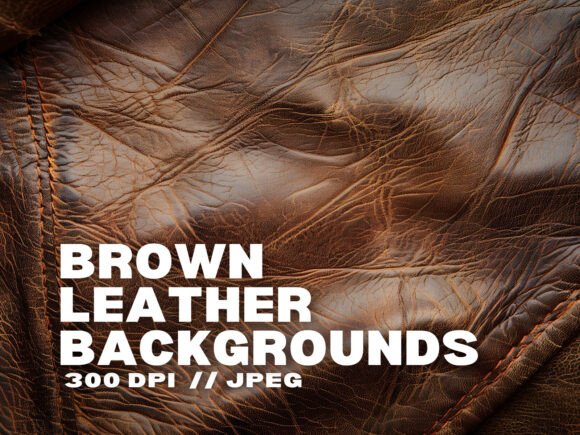
These aren't just simple, flat color swatches. Each background is a high-resolution photograph or scan of genuine leather, capturing every subtle grain, crease, and natural variation. The color palette spans from rich, deep espresso tones to warm, honeyed tans, ensuring you can find the perfect match for your project's mood. The textures range from smooth, polished finishes to more rugged, distressed surfaces, giving you options for both sleek, modern designs and rustic, vintage-inspired aesthetics. This level of detail is what separates amateur work from professional-grade design assets.
Where These Textures Truly Shine
The applications for these brown leather backgrounds are remarkably broad, touching nearly every corner of the creative industry. Think about brand identity. A law firm, a craft brewery, a luxury goods retailer, or a bespoke tailor could use these textures in their logo design or on business cards to instantly communicate quality and tradition. The texture adds a layer of depth that a simple solid color cannot achieve, making the brand feel more tangible and trustworthy.
In editorial design and packaging design, these backgrounds serve as perfect backdrops. Imagine a cookbook cover with a recipe title laid over a warm, worn leather surface, or the packaging for a premium coffee blend using a dark, textured background to enhance its artisanal appeal. For web design and social media graphics, they can be used as hero image backgrounds for a rustic-themed blog, or as a textured panel within a layout to break up monotony and add visual interest. The key is using them strategically to support, not overpower, the core message.
Beyond commercial use, the value extends to personal projects. Crafters and hobbyists will find these textures ideal for digital scrapbooking, creating custom journal covers, or designing unique invitations for events like weddings or milestone birthdays. The vintage quality of the leather pairs beautifully with script or handwritten fonts, creating a personalized and elegant feel. For those in print-on-demand, these backgrounds can be incorporated into designs for T-shirts, mugs, and other merchandise, adding a layer of sophistication that appeals to customers.
Integrating Texture into Your Design Workflow
Successfully using a textured background like this requires more than just placing it behind your text. The first consideration is readability. The rich detail of leather can sometimes compete with foreground elements. Always test your text and logo placements at various sizes. You may need to add a subtle color overlay, a semi-transparent shape, or a gentle vignette to ensure your core content remains the clear focal point. This is a crucial step in maintaining a clear visual hierarchy.
Next, think about font pairing. The personality of the leather background should guide your typographic choices. A smooth, dark brown leather pairs exceptionally well with clean, modern sans serif fonts for a contemporary luxury feel. A more distressed, lighter leather might call for a classic serif font or even an elegant script font to enhance the vintage vibe. The goal is to create a cohesive brand identity where the texture and the typography tell the same story. Always conduct pairing tests to see what feels harmonious.
Finally, consider the practicalities. These assets are delivered as high-resolution JPGs at 300 DPI, making them suitable for both digital and professional print projects. When incorporating them into a design for a client, it's good practice to be aware of the commercial licensing that typically comes with such resources, ensuring your usage is compliant. Having a library of such design assets saves significant time and elevates the overall quality of your output, allowing you to focus on the creative strategy rather than hunting for the right texture.
In a digital landscape saturated with flat designs and generic gradients, introducing a natural, tactile element like leather can set your work apart. It engages the viewer on a different level, suggesting substance and craftsmanship. Whether you're building a brand identity from scratch, designing a one-off piece of editorial design, or crafting a personal gift, the right texture is a powerful tool. This collection provides a focused, high-quality palette to do just that, helping your projects communicate a message of enduring style and quality.